
The Poll Dorset
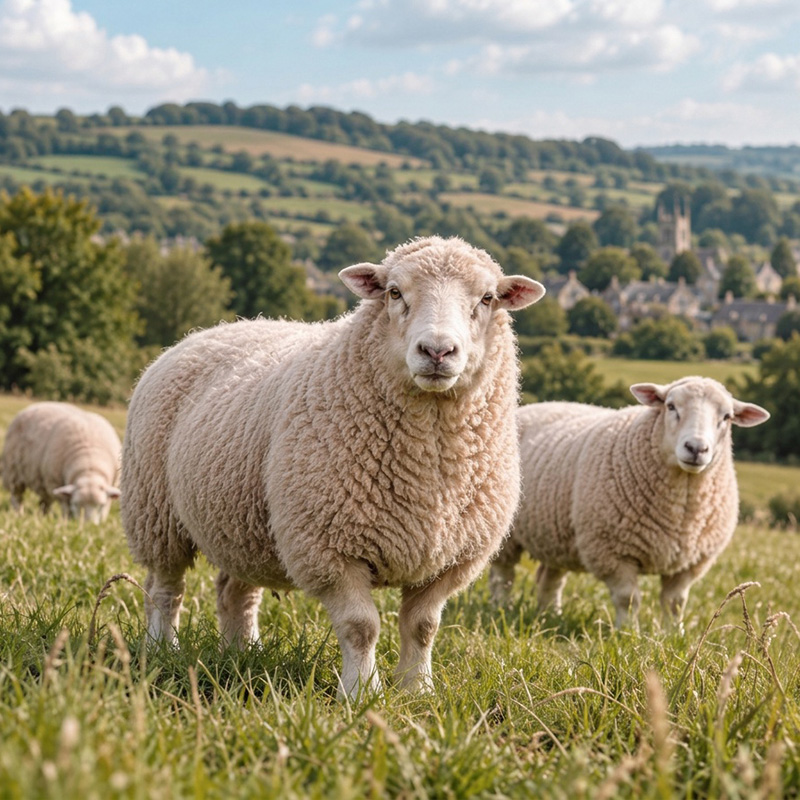
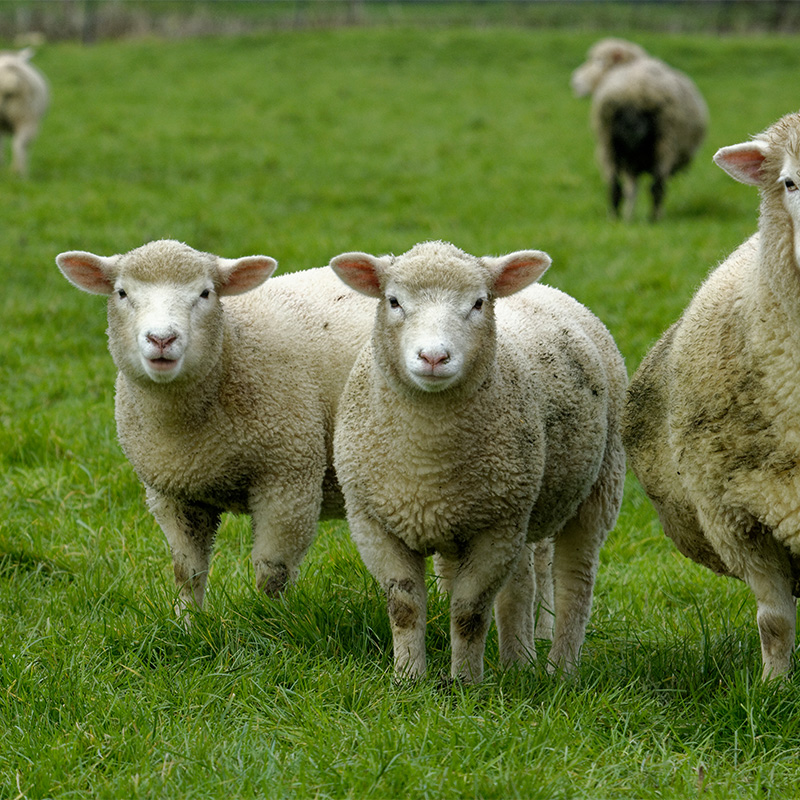
The Dorset sheep is one of Britain’s oldest and most celebrated native sheep breeds, with a rich agricultural history stretching back centuries. Originating from the rolling hills and fertile pastures of Dorset in southern England, these hardy and versatile sheep have long been an important part of the British farming landscape. Traditionally associated with the Dorset Horn, a breed recognised for its distinctive curved horns, strong build and beautiful white fleece, Dorset sheep are also found in the naturally hornless Poll Dorset variety. Their familiar appearance, with bright white wool, pink noses and gentle expressions, reflects the traditional character of the English countryside. Developed through generations of careful breeding, Dorset sheep became particularly valued for their adaptability, productivity and ability to thrive in a variety of farming environments.
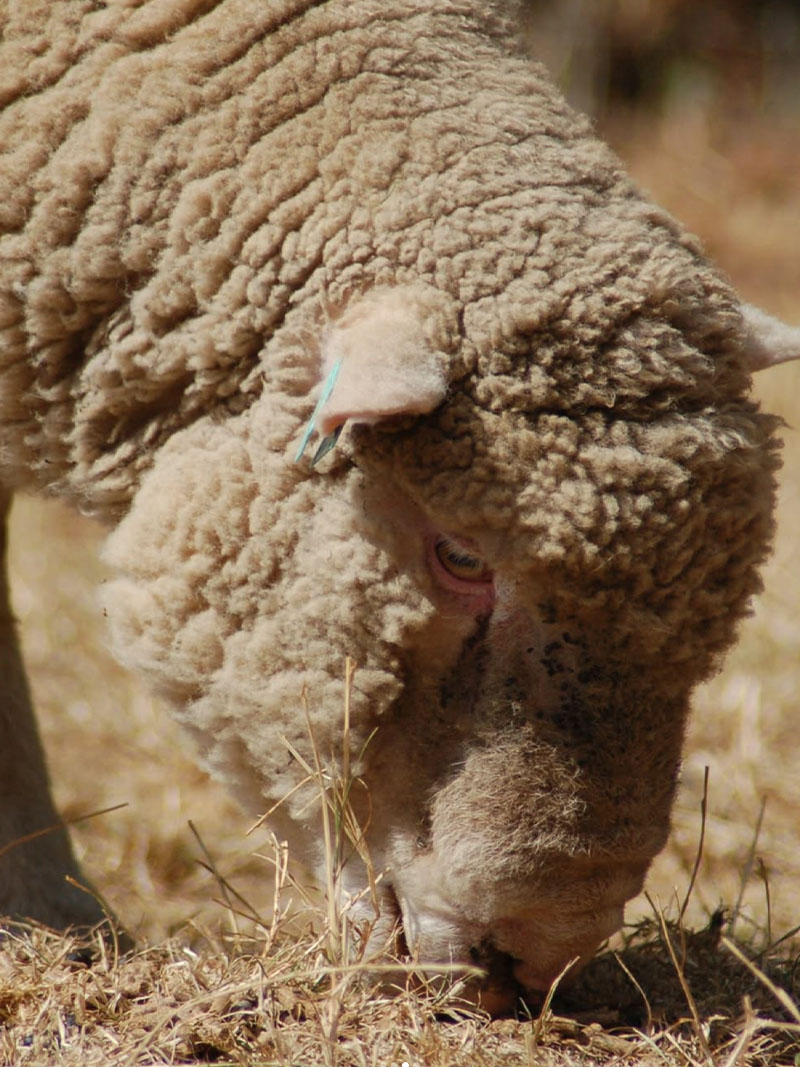
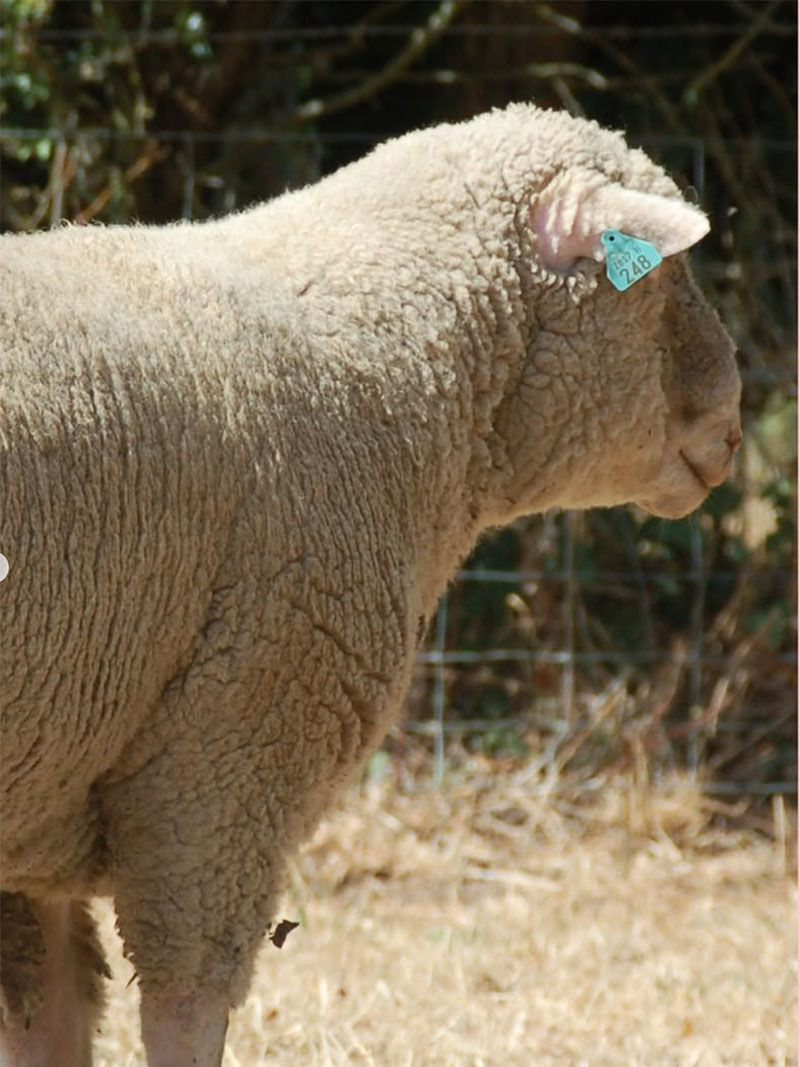
Hamish
Our Gentle Poll Dorset Ram.
Meet Hamish, our newest Poll Dorset ram!
Bred by Janine Newland at Little Ewe Farm, Hamish is a lovely addition to the Charwyn Flock. He’s a timid, gentle boy with a sweet nature, and we’re looking forward to watching his confidence grow as he settles into flock life.
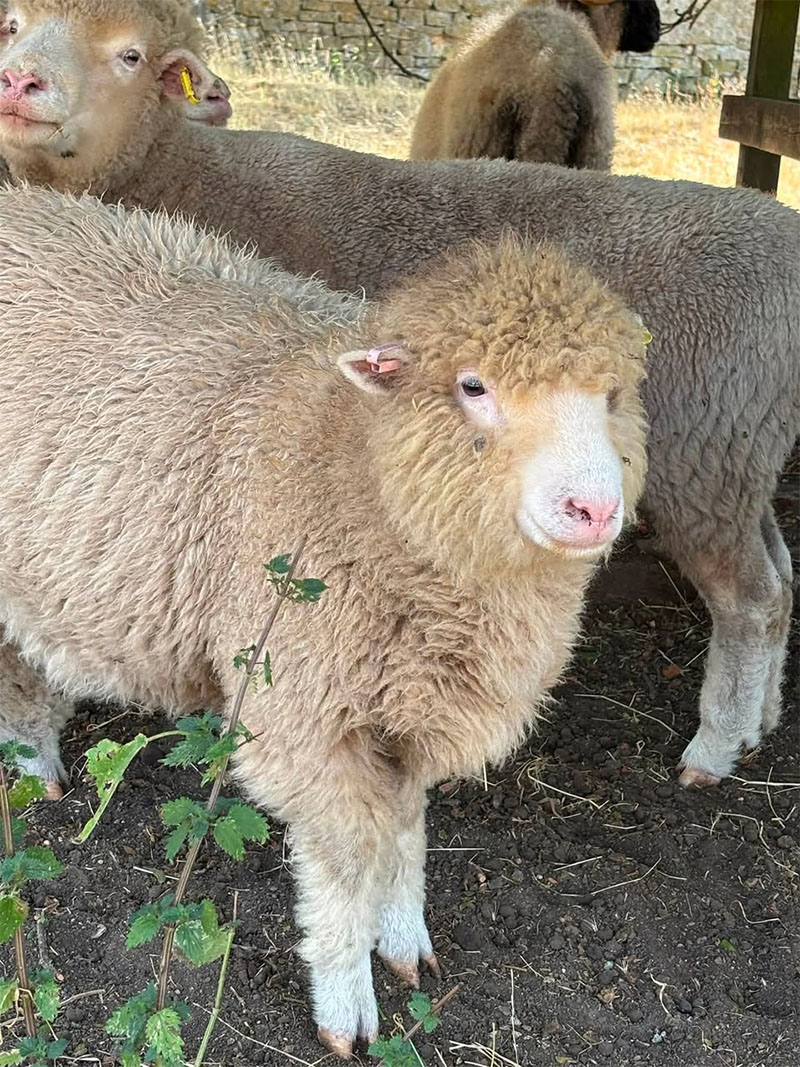
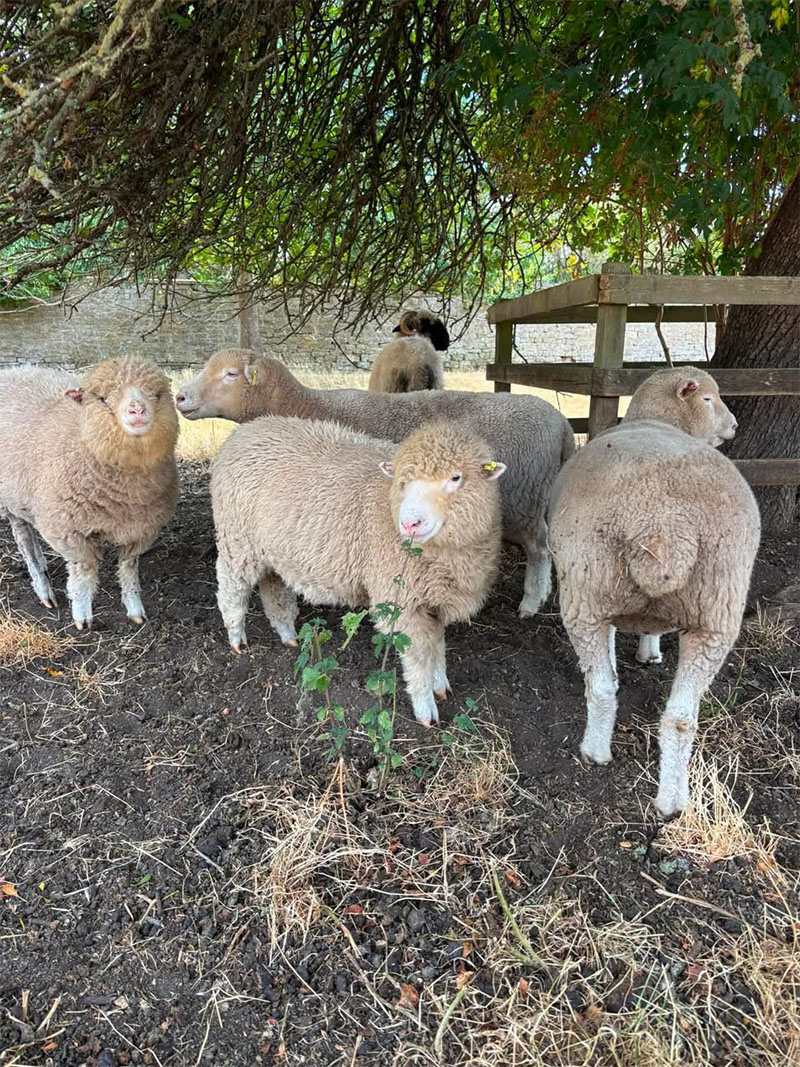
Summer
Small, sweet and seriously cute!
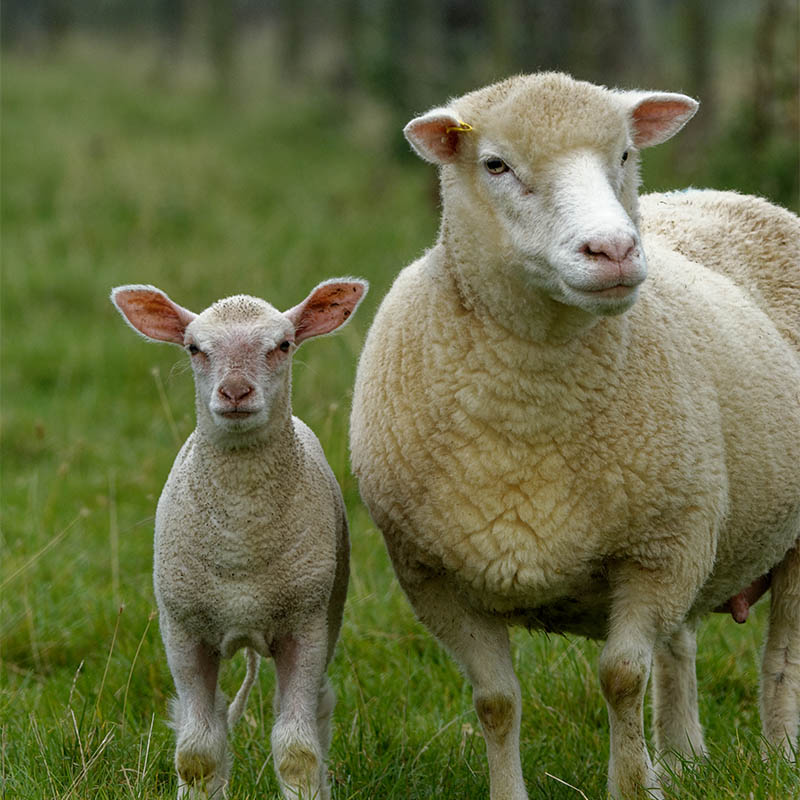
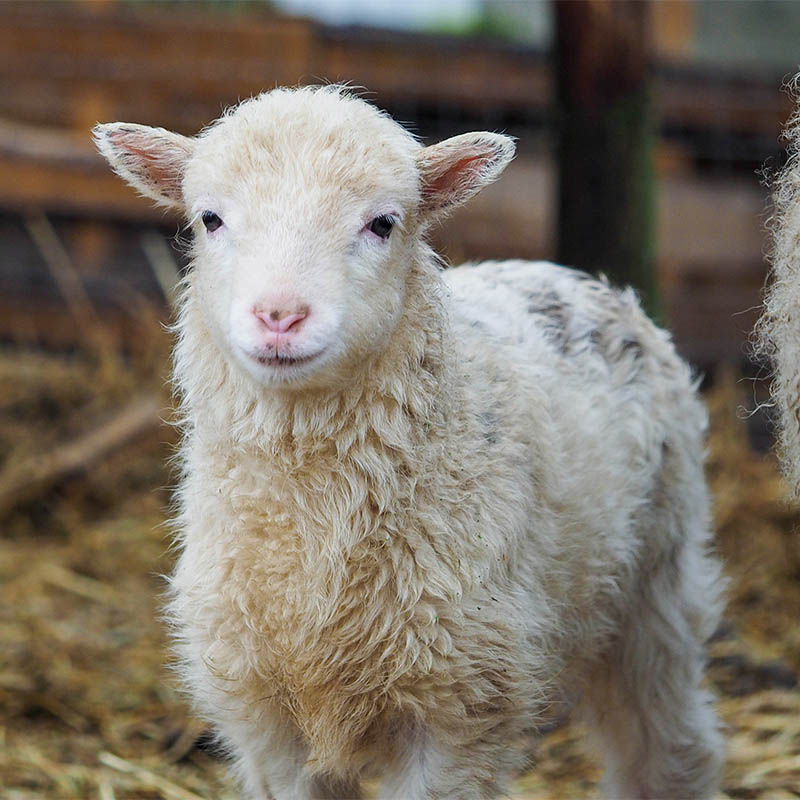
Summer is our gorgeous little Dorset lamb and the youngest member of the Charwyn Flock!
Born in 2026, Summer may be the tiniest of the flock, but she certainly makes up for it in cuteness.
She’s a sweet little lady and a wonderful addition to our sheep family. We’re looking forward to watching her grow, seeing her personality develop and sharing her adventures along the way.
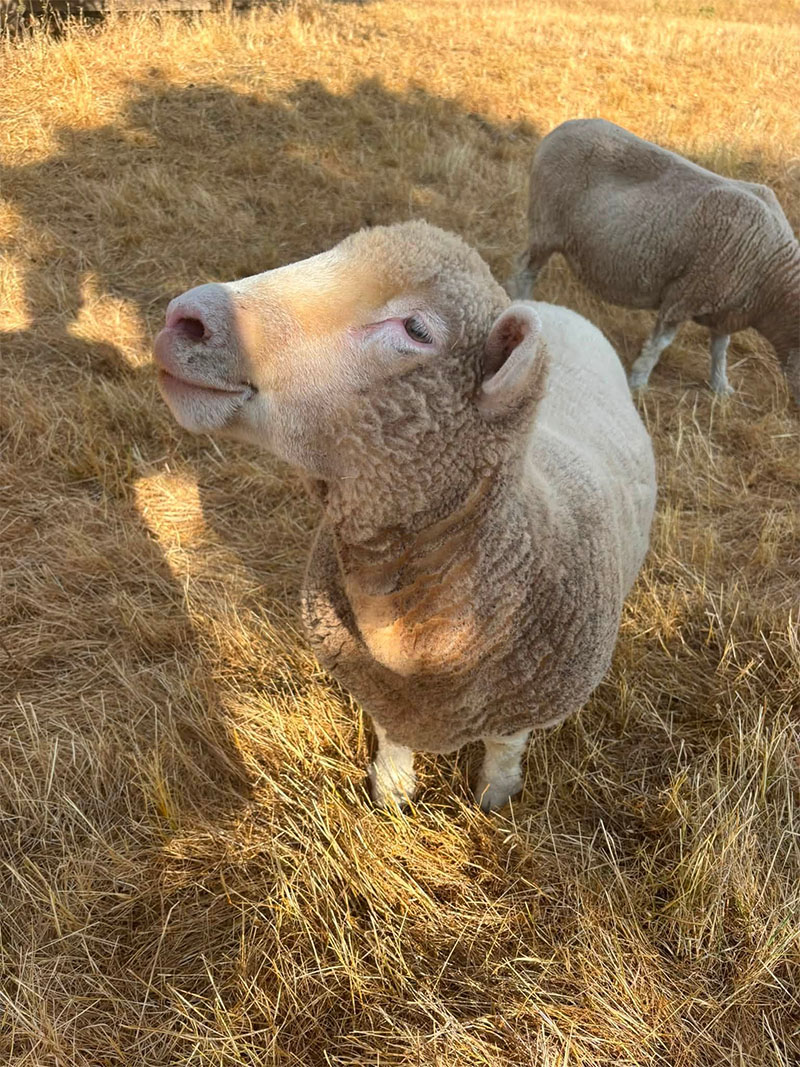
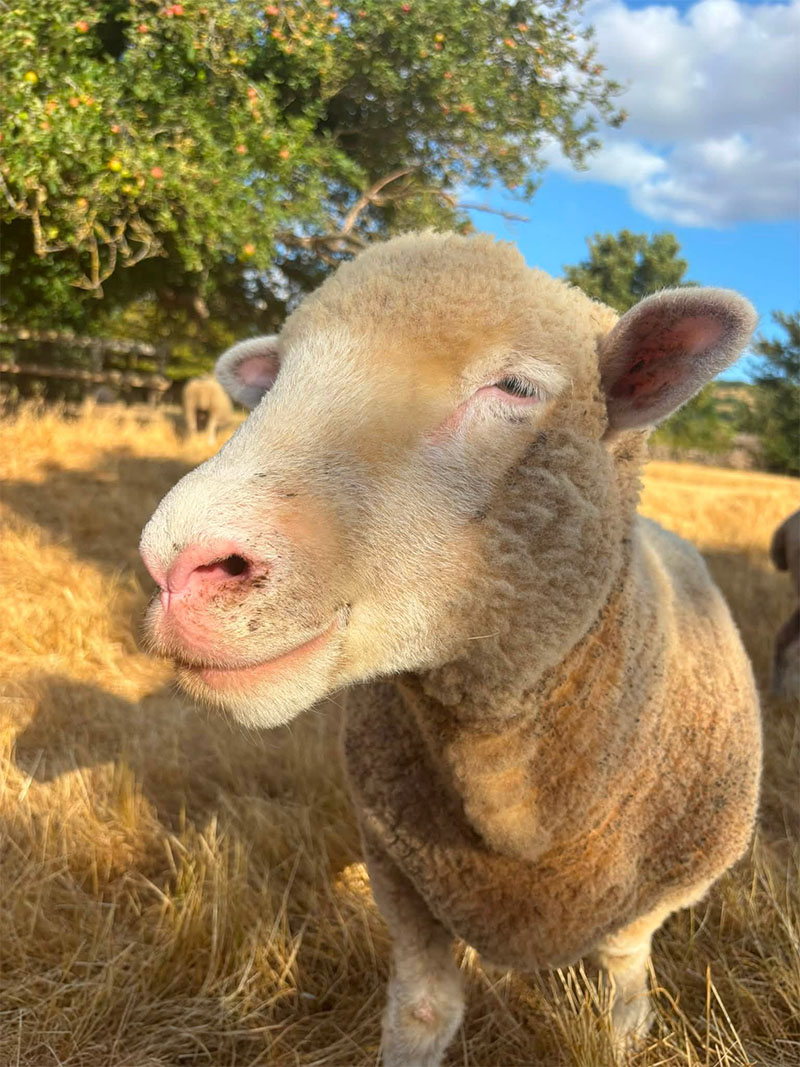
Dottie
Our gentle cuddly girl.
Quite possibly the most affectionate sheep in the Charwyn Flock!
Dottie has an incredibly gentle, calm and peaceful nature. She loves nothing more than coming over to sit beside you for a cuddle and will happily stay there soaking up all the attention.
Whether it’s enjoying a quiet moment in the field or simply spending time together, Dottie reminds us why we love what we do.
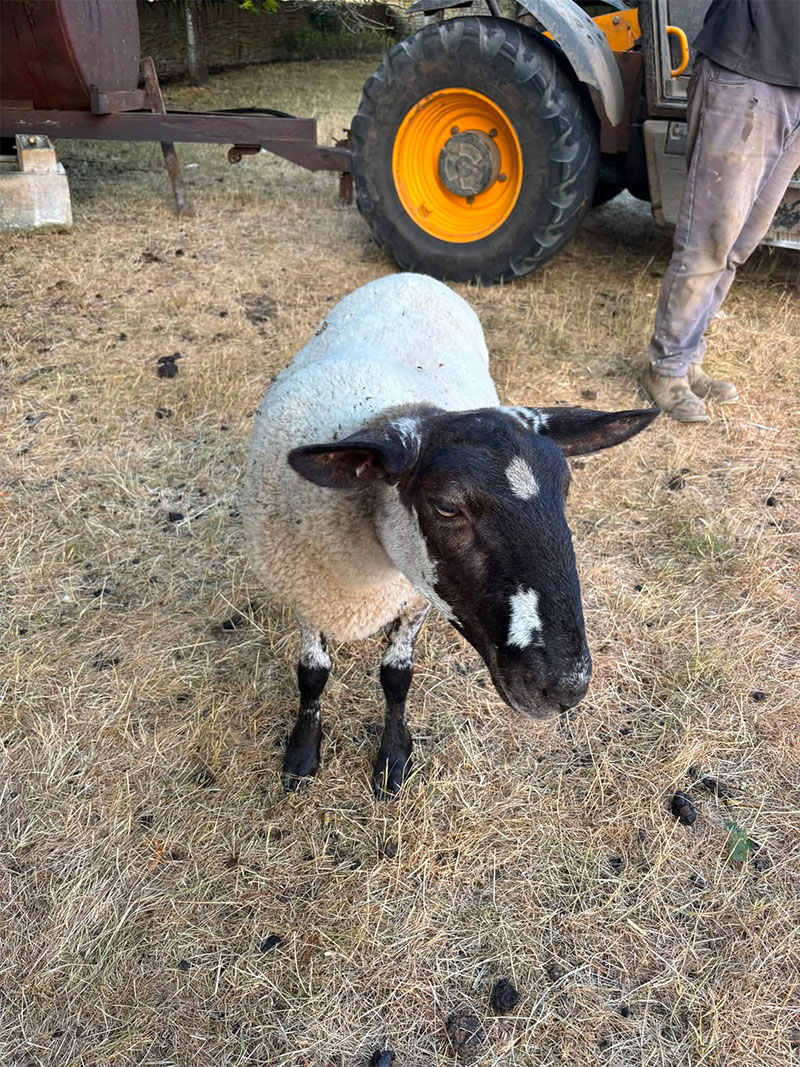
Ronnie
Our Cheeky, Bouncy Girl.
We’re fairly convinced she’s part kangaroo, thanks to her impressive bouncing skills! She absolutely loves attention and is always one of the first to come over for a fuss.
When we first went to view our pedigree Polled Dorset sheep, Ronnie was already living with the flock. Although she isn’t a pedigree Polled Dorset herself, we knew straight away that she had to come home with us too!
History of the Poll Dorset.
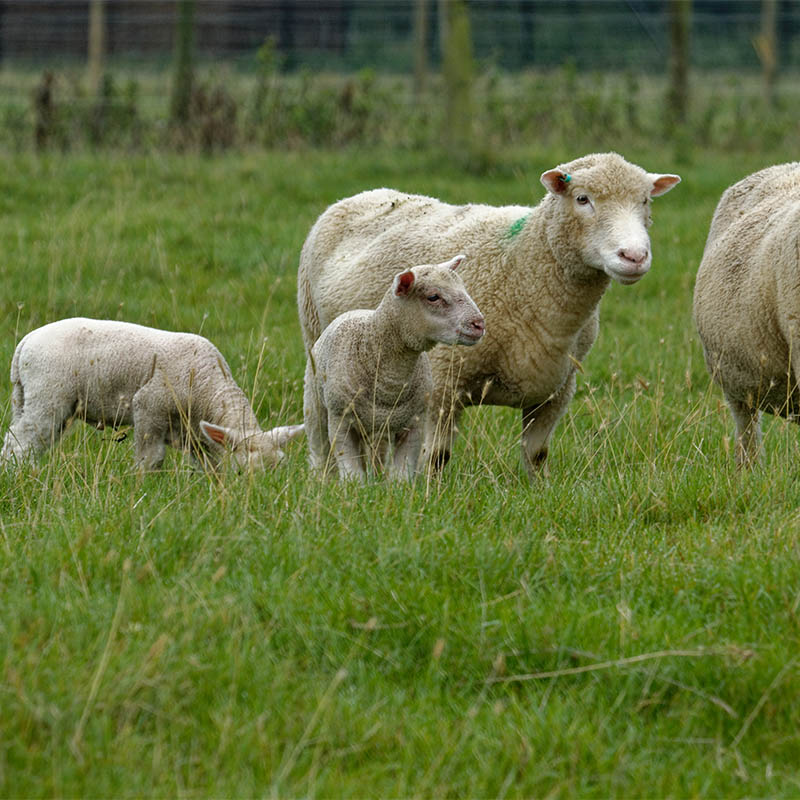
Historically, Dorset sheep played a vital role in rural agriculture, providing farming families with meat, wool and, occasionally, milk. Their dense, springy fleece was an important natural resource, traditionally used in the production of clothing, blankets, knitted garments and other woollen textiles. Dorset wool is particularly valued for its resilience, elasticity and ability to retain its shape, making it well suited to spinning and a variety of practical textile applications. While not traditionally regarded as a specialist dairy breed, Dorset ewes produce plentiful milk to nourish their lambs, and sheep’s milk more generally has a long history of use in cheesemaking and other dairy products. The breed is perhaps best known for its exceptional breeding characteristics, particularly its ability to lamb outside the usual spring season. This unusual trait allowed farmers to produce lambs at different times of the year, making Dorset sheep especially valuable within traditional and modern farming systems.
Beyond their agricultural importance, Dorset sheep are admired for their calm temperament, hardy constitution and natural ability to flourish on open pasture. As enthusiastic grazers, they have played a valuable role in maintaining Britain’s grasslands, helping to manage vegetation and preserve the character of the countryside. Their grazing habits can support the conservation of traditional meadows and historic landscapes, keeping fields open and preventing the gradual spread of scrub and overgrown vegetation. Today, Dorset sheep remain a cherished part of British agricultural heritage, valued both for their practical qualities and their connection to generations of countryside traditions. Whether grazing peacefully in a meadow or tending to their young lambs, these wonderful sheep embody the enduring relationship between farming, nature and the landscapes that have shaped rural Britain for centuries.
